
Renewable Engineer Course London: Heat Pump & Solar Training Guide
Trade Skills 4 Life provides practical renewable energy training for adult learners in London, with access to hands-on workshop sessions and recognised qualification pathways from our Central London location. Our renewable engineer courses are suitable for beginners, career changers, plumbers, gas engineers, heating engineers and tradespeople looking to move into low-carbon technologies.
If you are looking for a renewable engineer course in London, it is important to understand the different technologies, qualifications and career pathways available before choosing your training.
Renewable engineering covers technologies such as heat pumps, solar hot water systems, energy-efficient heating, unvented hot water systems and sustainable water management.
As homes and buildings increasingly move towards lower-carbon heating and energy-efficient systems, renewable skills are becoming increasingly relevant across plumbing, heating, electrical and building-services careers.
This guide explains what renewable energy training involves, who it is suitable for, what qualifications are included and how learners can progress into heat pump, solar and low-carbon installation work.
If you are ready to explore the actual training programme, visit the Renewable Engineer Course from Trade Skills 4 Life.
What Is a Renewable Engineer Course?
A renewable engineer course provides technical and practical training in low-carbon heating, hot water, energy-efficiency and sustainable building systems.
Depending on the training pathway, learners may develop skills connected with:
- Air source and ground source heat pump systems
- Solar hot water systems
- Energy-efficient heating
- Unvented hot water cylinders
- Underfloor heating systems
- Building Regulations and energy efficiency
- Electrical safety relevant to renewable systems
- Rainwater harvesting
- Grey water recycling
- System commissioning
- Servicing and maintenance
- Fault diagnosis
Renewable energy training can therefore provide a useful progression route for both complete beginners and existing tradespeople looking to expand into modern low-carbon technologies.
Who Is a Renewable Engineer Course in London Suitable For?
A renewable energy course can suit learners from a wide variety of backgrounds.
It may particularly suit:
- Adults looking for a career change
- Beginners interested in green skills
- Plumbers moving into heat pump installation
- Gas engineers transitioning into low-carbon heating
- Heating engineers expanding their qualifications
- Electrical installers interested in renewable technologies
- Property maintenance professionals
- Tradespeople planning to become self-employed
- Existing installers adding renewable services
If you are still comparing career options, read our guide to the best trade courses in London for adults and career changers.
Can Beginners Start Renewable Energy Training?
Yes. Beginners can enter renewable energy training through an appropriate structured programme.
You do not necessarily need previous renewable energy experience before starting, although learners with plumbing, heating, gas or electrical experience may already have useful transferable skills.
Beginners should expect to develop their knowledge progressively through theory, practical workshop training and recognised assessments.
A structured programme can introduce learners to renewable technology fundamentals before progressing into specific systems such as heat pumps, solar hot water and unvented cylinders.
If you are entering the trades for the first time, read our guide on how to start a trade career in London with no experience.
What Qualifications Are Included in the Renewable Engineer Course?
The Trade Skills 4 Life Renewable Engineer Course includes a range of recognised qualifications and certifications connected with renewable energy, heating and sustainable building systems.
The programme includes:
- BPEC Part L Energy Efficiency
- Part P Electrical
- BPEC Installation, Service and Maintenance of Domestic Unvented Hot Water Systems
- BPEC Installation and Maintenance of Solar Hot Water Systems
- BPEC Installation and Maintenance of Heat Pump Systems
- BPEC Certification in Underfloor Heating
- BPEC Rainwater Harvesting and Grey Water Recycling
These qualifications cover several important areas of modern renewable and energy-efficient building services.
What Is BPEC Part L Energy Efficiency Training?
Part L of the Building Regulations relates to the conservation of fuel and power in buildings.
Energy-efficiency training helps learners understand how heating systems, hot water systems and building services should operate efficiently and in accordance with relevant requirements.
This is particularly important when working with modern heating technologies because system design and efficiency can directly affect running costs, energy consumption and overall performance.
Training may cover areas such as:
- Energy-efficient heating systems
- System controls
- Building heat loss
- Heating efficiency
- Domestic hot water efficiency
- Relevant Building Regulations
- Good installation practice
Why Is Part P Electrical Training Relevant to Renewable Engineers?
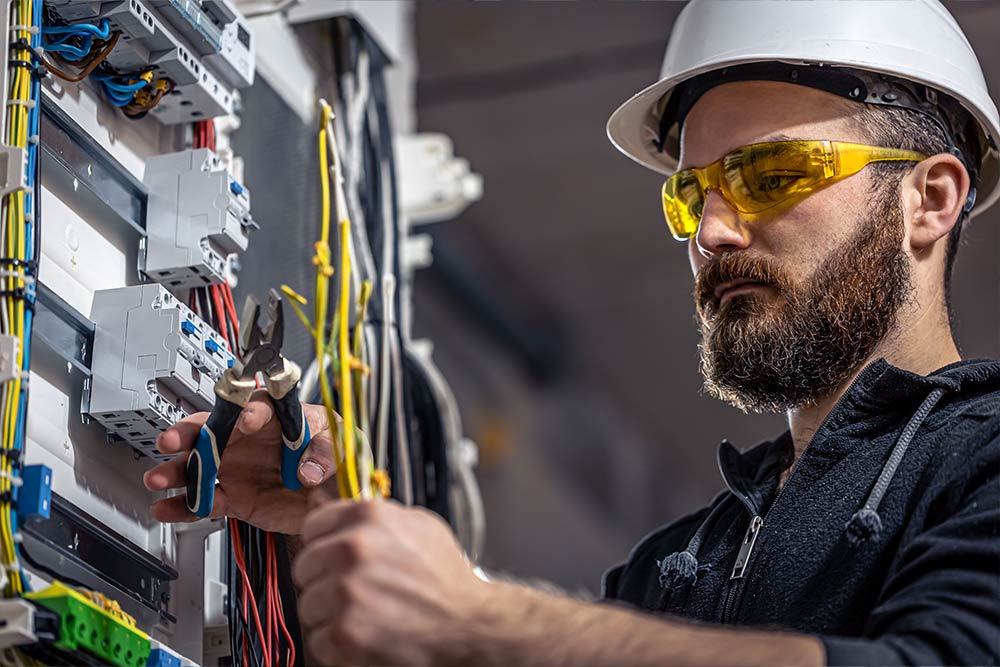
Many renewable systems contain electrical components, controls, pumps, sensors and power supplies.
Part P electrical training helps learners understand important electrical safety principles and domestic electrical requirements relevant to renewable systems.
This can be particularly useful when working around heat pumps, heating controls and other electrically powered renewable technologies.
The exact electrical work an individual is permitted to carry out will depend on their qualifications, competence and the nature of the installation.
What Is Unvented Hot Water Training?
Unvented hot water cylinders are commonly used in modern domestic heating and hot water systems.
The BPEC unvented hot water qualification covers the installation, servicing and maintenance of domestic unvented hot water systems.
Training can include:
- System components
- Safety controls
- Temperature and pressure protection
- Installation requirements
- Commissioning
- Servicing
- Fault identification
- Relevant regulations
Understanding unvented systems is particularly useful for engineers working with modern heating installations, heat pumps and domestic hot water systems.
What Is Heat Pump Training?
Heat pump training focuses on the installation, commissioning, servicing and maintenance of heat pump systems.
Heat pumps transfer heat rather than generating heat through direct combustion, making them an important technology within the transition towards lower-carbon heating.
Training may cover:
- Heat pump operating principles
- Air source heat pumps
- Ground source heat pumps
- System components
- Heat emitters
- System temperatures
- Hydraulic design principles
- Commissioning
- Controls
- Performance testing
- Servicing
- Fault diagnosis
The Trade Skills 4 Life Renewable Engineer Course includes BPEC training in the installation and maintenance of heat pump systems.
Heat Pump Course London
For learners specifically searching for a heat pump course in London, a broader renewable engineer programme can provide useful supporting knowledge beyond the heat pump unit itself.
Heat pumps interact with heating systems, hot water cylinders, controls, electrical components and building energy efficiency.
Understanding these related systems can help learners develop a more complete view of how renewable heating works within a domestic property.
This is one reason why heat pump training is often particularly relevant to plumbers, heating engineers and gas engineers looking to move into low-carbon heating.
What Is Solar Hot Water Training?
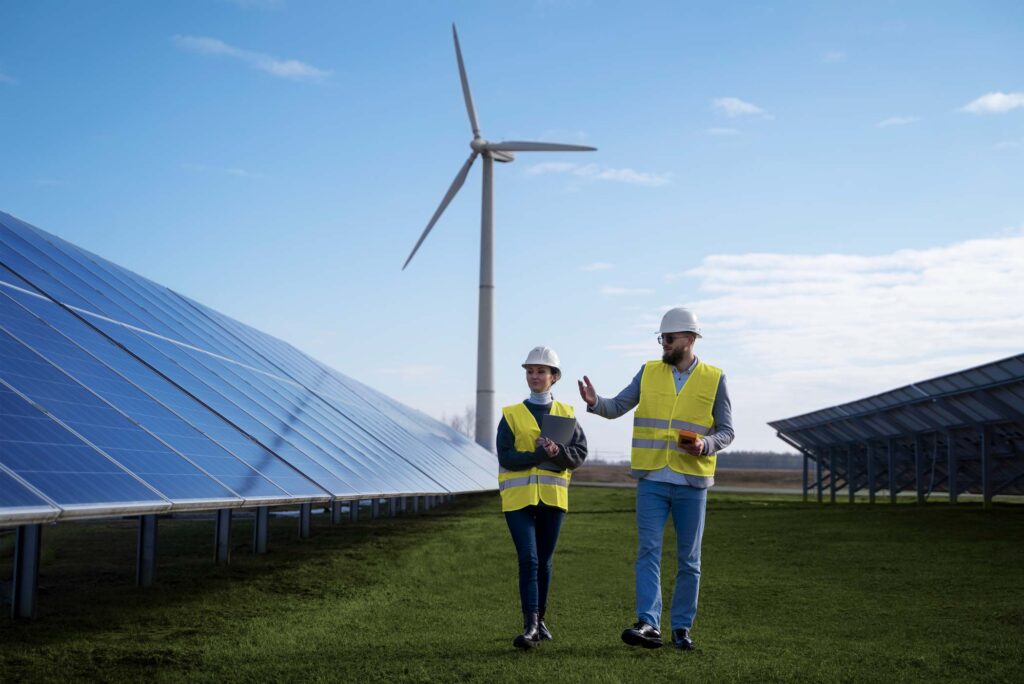
Solar hot water systems use energy from the sun to contribute towards domestic hot water production.
Solar thermal training can cover areas such as:
- Solar collectors
- System components
- Storage cylinders
- Pumps and controls
- Pipework
- System protection
- Commissioning
- Servicing
- Fault diagnosis
The renewable training pathway includes BPEC Installation and Maintenance of Solar Hot Water Systems.
Solar Training London
People searching for solar training in London should check carefully which type of solar technology a course covers.
Solar hot water, sometimes called solar thermal, is different from solar photovoltaic systems used to generate electricity.
The Trade Skills 4 Life renewable programme includes training in solar hot water systems.
Always check the qualification specification and course content before enrolling if you are specifically looking for solar PV electrical training.
What Is Underfloor Heating Training?
Underfloor heating is commonly used alongside modern heating systems because it can operate effectively at lower water temperatures.
This can make it particularly relevant to heat pump installations.
Underfloor heating training can help learners understand:
- System layouts
- Pipe spacing
- Manifolds
- Flow rates
- Controls
- Heat output
- Commissioning
- Integration with heating systems
The Trade Skills 4 Life renewable training programme includes BPEC certification in underfloor heating.
What Is Rainwater Harvesting and Grey Water Recycling?
Renewable and sustainable building services are not limited to heating and energy.
Water conservation can also form part of sustainable property design.
Rainwater harvesting systems collect rainwater for suitable non-potable uses, while grey water recycling systems can reuse water from certain household activities for appropriate applications.
Training in these systems helps learners understand another area of sustainable building technology.
The renewable programme includes BPEC Rainwater Harvesting and Grey Water Recycling training.
What Will You Learn on a Renewable Engineer Course?
A comprehensive renewable engineer course can combine technical theory with practical workshop training.
Learners may develop skills in:
- Heat pump installation principles
- Heat pump commissioning
- Solar hot water installation
- Unvented hot water systems
- Energy efficiency
- Part L requirements
- Electrical safety
- Heating system controls
- Underfloor heating
- System integration
- Pressure testing
- Commissioning procedures
- Servicing and maintenance
- Fault diagnosis
- Sustainable water systems
The objective is to help learners understand how different renewable and low-carbon technologies operate together within modern domestic building services.
Why Is Practical Renewable Energy Training Important?
Renewable systems involve real equipment, pipework, controls, electrical components and commissioning procedures.
For this reason, practical training is an important part of developing confidence and technical competence.
Workshop-based training allows learners to practise installation and maintenance procedures in a controlled training environment before applying their knowledge within real working situations.
Trade Skills 4 Life describes its renewable programme as combining structured theory with hands-on workshop training and assessments aligned with recognised BPEC standards.
Renewable Energy Training in London for Adults
Trade Skills 4 Life provides renewable energy training for adults, beginners and existing tradespeople through its Central London training provision.
The course can be suitable for learners travelling from Central London, North London, East London, South London and West London.
Adults may choose renewable engineering because they are:
- Starting a new career
- Moving from another industry
- Expanding an existing plumbing business
- Adding heat pumps to heating services
- Transitioning from gas into low-carbon heating
- Developing future-focused building-services skills
You can also explore the wider range of trade courses in London, including electrical, plumbing, gas and renewable energy training.
What Is Low-Carbon Heating?
Low-carbon heating refers to technologies designed to reduce the carbon emissions associated with heating buildings and producing hot water.
Heat pumps are one of the most important examples because they use electricity to transfer heat from the surrounding environment into a building.
Renewable heating systems can also operate alongside technologies such as:
- Underfloor heating
- Low-temperature radiators
- Hot water cylinders
- Heating controls
- Solar thermal systems
- Energy-efficiency improvements
Understanding the relationship between these systems is an important part of modern renewable and building-services training.
Do You Need Plumbing Experience to Train as a Renewable Engineer?
No previous renewable experience is required for the Trade Skills 4 Life programme.
However, plumbing skills can be particularly useful for technologies involving water-based heating systems.
Plumbers may already understand:
- Pipework
- Heating circuits
- Hot water systems
- Cylinders
- Valves
- Pumps
- System pressure
- Commissioning
These skills can provide a useful foundation when progressing into heat pumps, underfloor heating and solar hot water.
If you are considering building plumbing knowledge first, read our Plumbing Course London guide.
Can a Gas Engineer Move Into Renewable Energy?
Yes. Renewable energy can provide a natural progression route for gas and heating engineers who want to expand into low-carbon heating technologies.
Existing gas engineers may already have valuable experience in:
- Domestic heating systems
- Boilers
- Controls
- Hot water
- Pipework
- System commissioning
- Fault diagnosis
- Working in customers’ homes
Heat pump training can allow experienced heating professionals to develop additional skills as the heating industry continues to evolve.
If you are currently considering gas training, you can also read our Gas Course London guide.
Can an Electrician Move Into Renewable Energy?
Electrical knowledge can also be useful within renewable energy because technologies such as heat pumps contain electrical supplies, controls, sensors and other components.
Existing electrical installers may choose to expand into renewable technology as part of a broader building-services career.
The exact training required will depend on the technology and the type of work the individual intends to undertake.
If you are interested in building electrical skills first, read our Electrical Installer Course London guide.
Can Complete Beginners Become Renewable Engineers?
Yes. Beginners can start developing renewable skills through structured training.
However, renewable engineering covers several different technologies, and competence is normally developed progressively.
A complete beginner may need to build knowledge in areas such as:
- Heating systems
- Pipework
- Hot water
- Electrical safety
- Energy efficiency
- System controls
- Installation standards
The most appropriate route will depend on the type of renewable work you ultimately want to carry out.
Our guide on how to become a renewable engineer in the UK explains the wider career pathway in more detail.
Is Renewable Engineering a Good Career Change?
Renewable engineering can appeal to adults who want a practical career connected with modern technology, heating, sustainability and energy efficiency.
The work may involve installing, commissioning, maintaining or servicing technologies used within homes and buildings.
Potential areas of work include:
- Heat pump installation
- Renewable heating
- Solar hot water
- Underfloor heating
- Domestic retrofit
- Energy-efficiency upgrades
- Unvented hot water systems
- Sustainable water systems
For people already working in plumbing, heating, gas or electrical trades, renewable technologies may also provide a way to diversify existing services rather than completely changing careers.
What Jobs Can Renewable Energy Training Lead To?
Depending on your qualifications, experience and the technologies you specialise in, renewable training can support progression towards roles such as:
- Renewable heating engineer
- Heat pump installer
- Heat pump service engineer
- Solar hot water installer
- Low-carbon heating technician
- Domestic retrofit installer
- Renewable systems technician
- Building-services engineer
- Underfloor heating installer
- Self-employed renewable installer
Employers may include specialist renewable companies, heating contractors, property developers, retrofit contractors and wider building-services organisations.
Can You Study Renewable Energy While Working Full-Time?
Many adults need to continue working while developing new trade skills.
Trade Skills 4 Life offers flexible renewable training designed around adult learners and existing work or family responsibilities.
Before enrolling, ask:
- How often do I need to attend?
- How much practical workshop training is included?
- Are part-time options available?
- Which assessments are included?
- How long does each qualification take?
- Can previous trade experience affect my training route?
Understanding the full timetable before enrolment can make it easier to plan training alongside employment.
How Long Does a Renewable Engineer Course Take?
The length of renewable energy training depends on the programme, attendance pattern, qualifications included and the learner’s previous experience.
An existing plumber or heating engineer may approach renewable training differently from a complete beginner who is developing wider building-services knowledge for the first time.
Trade Skills 4 Life provides full-time, part-time and flexible renewable training options, with training plans discussed during enrolment.
Rather than choosing a course only because it appears fast, consider whether the programme provides enough practical training and assessment support to develop genuine competence.
How Much Does a Renewable Engineer Course in London Cost?
The cost of renewable energy training varies depending on the number of qualifications, practical sessions and assessments included.
When comparing courses, check whether the price includes:
- BPEC Part L Energy Efficiency
- Part P Electrical
- BPEC Unvented Hot Water Systems
- BPEC Solar Hot Water
- BPEC Heat Pump Systems
- Underfloor Heating Certification
- Rainwater Harvesting and Grey Water Recycling
- Practical workshop training
- Assessments
- Certification
- Training equipment
- Learner support
It is better to compare the complete training package than to compare courses based only on the headline price.
For current fees, available start dates and training options, view the Renewable Engineer Course.
Renewable Engineering vs Plumbing
Plumbing focuses on water systems, pipework, bathrooms, heating installations and related domestic services.
Renewable engineering can involve many of the same underlying systems but adds technologies such as heat pumps, solar hot water and energy-efficient heating.
For this reason, plumbing can provide a useful foundation for certain areas of renewable engineering.
If you are deciding between the two routes, read our Plumbing Course London guide.
Renewable Engineering vs Gas Engineering
Gas engineering focuses on regulated gas appliances and systems such as boilers, cookers and gas fires.
Renewable heating focuses more heavily on technologies such as heat pumps and other lower-carbon systems.
Gas engineers who already understand domestic heating may find renewable energy a useful additional specialism as heating technologies continue to change.
You can compare the traditional gas pathway using our Gas Course London guide.
Renewable Engineering vs Electrical Training
Electrical training focuses on circuits, wiring, testing, installation and electrical safety.
Renewable engineering covers a broader combination of heating, hot water, controls, energy efficiency and sustainable technologies.
There is overlap between the two because many renewable systems contain electrical components and controls.
If electrical installation interests you, read our Electrical Installer Course London guide.
What Should You Look for in a Renewable Engineer Course?
Renewable training programmes can vary considerably, so it is important to understand exactly what is included.
Before enrolling, compare:
- Whether beginners are accepted
- Which renewable technologies are covered
- Whether heat pump training is included
- Whether solar hot water training is included
- Whether unvented hot water training is included
- Whether Part L is included
- Whether Part P training is included
- Whether underfloor heating is included
- The amount of practical workshop training
- Which BPEC qualifications are included
- Assessment fees
- Certification fees
- Course duration
- Flexible attendance options
- Progression routes after completion
A good training provider should clearly explain which qualifications you will achieve and what further training or competence requirements may apply to the specific renewable work you want to undertake.
Why Train in Renewable Energy in London?
London contains a large and diverse property market ranging from older housing stock to new developments, apartment buildings and major retrofit projects.
This creates a broad environment for heating, hot water, energy-efficiency and low-carbon technologies.
Training in London can also be particularly useful for adults who want access to practical trade education without leaving the capital.
Trade Skills 4 Life provides renewable training through its Central London provision as part of a wider range of electrical, plumbing, gas and green-skills programmes.
Renewable Engineer Course London FAQs
Can I take a renewable engineer course in London with no experience?
Yes. The Trade Skills 4 Life Renewable Engineer Course is designed for beginners as well as existing plumbers, gas engineers, heating engineers and other tradespeople expanding into renewable technologies.
What renewable qualifications does Trade Skills 4 Life offer?
The programme includes BPEC Part L Energy Efficiency, Part P Electrical, BPEC Unvented Hot Water Systems, BPEC Solar Hot Water, BPEC Heat Pump Systems, Underfloor Heating Certification and BPEC Rainwater Harvesting and Grey Water Recycling.
Does the renewable course include heat pump training?
Yes. The programme includes BPEC Installation and Maintenance of Heat Pump Systems.
Does the course include solar training?
Yes. The programme includes BPEC Installation and Maintenance of Solar Hot Water Systems. This relates to solar thermal hot water rather than solar photovoltaic electricity generation.
Do I need to be a plumber before taking a renewable course?
No previous renewable experience is required for the Trade Skills 4 Life programme. However, plumbing and heating experience can provide useful transferable knowledge for technologies such as heat pumps and hot water systems.
Can a gas engineer retrain in renewable energy?
Yes. Gas and heating engineers can build on their existing knowledge of heating systems, pipework, controls and commissioning when moving into heat pumps and other low-carbon technologies.
Can an electrician move into renewable energy?
Yes. Electrical knowledge can be useful because many renewable systems include electrical supplies, controls and components. Additional technology-specific training may still be required depending on the work you plan to undertake.
What is a heat pump course?
A heat pump course teaches the principles involved in installing, commissioning, servicing and maintaining heat pump systems, together with relevant system design, controls and performance considerations.
What is solar hot water training?
Solar hot water training covers systems that use solar thermal energy to help produce domestic hot water, including collectors, cylinders, controls, commissioning and maintenance.
Can I study renewable energy while working full-time?
Flexible and part-time training options may allow adult learners to combine renewable training with existing employment and family responsibilities.
How long does a renewable engineer course take?
The timeframe depends on the programme structure, attendance pattern, qualifications included and your previous experience. Trade Skills 4 Life offers full-time, part-time and flexible training routes.
How much does a renewable engineer course in London cost?
Course fees depend on the qualifications, assessments and practical training included. Compare the complete programme rather than choosing solely on the advertised headline price.
What jobs can renewable energy training lead to?
Depending on your qualifications and experience, renewable training can support progression towards work involving heat pumps, renewable heating, solar hot water, underfloor heating, retrofit and other low-carbon building systems.
How do I become a renewable engineer in the UK?
The pathway normally involves developing technical knowledge, completing relevant practical training and gaining qualifications appropriate to the renewable technologies you intend to work with. Read our complete guide on how to become a renewable engineer in the UK for more information.
Ready to Start Renewable Energy Training in London?
If you are interested in heat pumps, solar hot water, low-carbon heating and modern energy-efficient systems, renewable engineering can provide a route into a rapidly developing area of the building-services industry.
Trade Skills 4 Life provides renewable energy training for beginners, adult career changers and existing tradespeople looking to develop skills in heat pumps, solar hot water, energy efficiency, unvented systems and sustainable technologies.
Explore the Renewable Engineer Course to see the qualifications, practical training and learning options available.
You can also explore all trade courses in London or read our complete guide to becoming a renewable engineer in the UK before choosing your training route.
Our Complete Course Guides


Our Partners





© 2026 TradeSkills4Life | Renewable Engineer Course London | Beginner Training Guide
SEO Article & Web Services provided by VStudios – Local SEO Specialists for UK, London