
How to Become a Plumber in the UK (2026 Guide)
1. Complete NVQ Level 2 plumbing qualification
2. Gain hands-on experience
3. Get certified (Gas Safe if needed)
4. Apply for jobs or start your own business
Understanding the Plumbing Profession in the UK
If you are based in the capital and are looking for a beginner training route, our guide to a plumbing course in London explains Level 2 training, practical workshop skills, qualifications and progression towards workplace competence.
Plumbing isn’t just about fixing leaky taps or unclogging drains it’s one of those essential trades that quietly keeps the country running. Think about it: every home, office, and commercial building depends on properly functioning water systems. Without plumbers, modern living would fall apart pretty quickly. In 2026, the demand for skilled tradespeople in the UK continues to rise, and plumbing sits right at the top of that list.
In this guide, you’ll learn:
- The exact steps to become a plumber
- Required qualifications (including NVQ and City & Guilds)
- How long it takes and how much it costs
- Salary expectations in 2026
- How to go self-employed
What makes plumbing especially appealing is the blend of hands-on work and problem-solving. You’re not stuck behind a desk all day, and each job brings a new challenge. One moment you might be installing a boiler system, and the next you’re troubleshooting a complex pipe network. That variety keeps things interesting and gives you a strong sense of accomplishment at the end of the day.
There’s also a growing emphasis on eco-friendly systems and energy efficiency. Modern plumbers are expected to understand sustainable technologies like water-saving fixtures and energy-efficient heating systems. This means the profession is evolving, not stagnating. If you’re someone who enjoys learning and adapting, plumbing offers long-term career growth.
Another factor worth considering is job security. While many industries are vulnerable to automation, plumbing remains a skill that requires human expertise. Robots might assist in diagnostics someday, but they won’t replace the need for skilled hands anytime soon. This makes plumbing a reliable career choice, especially in uncertain economic times.
What Does a Plumber Do Daily?
Plumbers install, maintain, and repair:
- Water supply systems
- Heating systems (boilers, radiators)
- Drainage and waste systems
A typical day might include:
- Fixing leaks or burst pipes
- Installing bathrooms or kitchens
- Servicing boilers
- Diagnosing faults in heating systems
A plumber’s daily routine can vary widely depending on their area of specialisation. Some plumbers focus on domestic work, handling household repairs and installations, while others work on large-scale commercial projects. Either way, the core responsibilities revolve around installing, maintaining, and repairing water systems, heating systems, and drainage networks.
Imagine starting your day with a call-out to fix a broken boiler in a family home. You diagnose the issue, replace faulty components, and ensure everything runs safely. Later, you might move on to installing a new bathroom suite in a renovation project. Each task requires precision, knowledge, and a methodical approach.
Safety is also a major part of the job. Plumbers must adhere to strict UK regulations, especially when dealing with gas systems or high-pressure water lines. This means wearing protective gear, following protocols, and staying updated with industry standards. It’s not just about getting the job done it’s about doing it safely and professionally.
Then there’s the customer interaction aspect. You’ll often be dealing directly with clients, explaining problems and solutions in simple terms. Good communication skills can make a huge difference here, helping you build trust and secure repeat business.
In short, no two days are the same, which is exactly what draws many people into the trade.
Why Plumbing Is a High-Demand Trade in 2026
The UK is currently facing a significant skills shortage in the trades sector, and plumbing is no exception. According to industry estimates, thousands of new plumbers are needed each year to meet demand. This gap creates a massive opportunity for anyone considering entering the field.
One reason for this shortage is the ageing workforce. Many experienced plumbers are nearing retirement, and there simply aren’t enough young professionals stepping in to replace them. This imbalance has driven up wages and increased job availability, making it an ideal time to start a plumbing career.
Another factor is the boom in construction and home renovations. With more people investing in property upgrades, the demand for plumbing services has surged. Add to that the push for greener homes and energy-efficient systems, and you’ve got a perfect storm of opportunity.
Government regulations also play a role. Stricter standards for water safety and energy efficiency mean more specialised work, which requires trained professionals. This further increases the need for qualified plumbers who understand modern systems.
If you’re looking for a career that offers stability, growth, and strong earning potential, plumbing ticks all the boxes. And with the right training such as enrolling in a professional plumbing course you can fast-track your way into this thriving industry.
Skills Required to Become a Successful Plumber
Becoming a plumber isn’t just about picking up a wrench and getting to work it’s a mix of technical know-how, practical ability, and people skills. The most successful plumbers in the UK aren’t just good with tools; they understand systems, think critically, and communicate clearly. If you’re aiming to build a long-term career in this trade, developing a balanced skill set is essential.
Plumbing is a profession where small mistakes can lead to big consequences. A poorly installed pipe can cause water damage, while an incorrectly fitted heating system could pose safety risks. That’s why precision and attention to detail are absolutely crucial. You need to be methodical in your approach, ensuring every connection, measurement, and installation is done correctly.
Beyond that, adaptability plays a big role. Every job is different, and you’ll often encounter unexpected challenges. Maybe a pipe layout doesn’t match the plan, or a customer’s system has been poorly maintained for years. Being able to think on your feet and come up with effective solutions is what separates an average plumber from a great one.
Let’s break down the key skills you’ll need to thrive in this field.
Technical Skills You Must Master as a Plumber
At the heart of plumbing lies a strong foundation of technical skills. These are the hands-on abilities and knowledge areas that enable you to perform the job safely and effectively. Without them, it’s impossible to build a reliable career in the trade.
First and foremost, you need a solid understanding of water systems, including how water flows, how pressure works, and how different components interact. This includes everything from pipes and valves to boilers and heating systems. You’ll also need to learn how to read technical drawings and blueprints, as these are often used in larger projects.
Another critical area is tool proficiency. Plumbers use a wide range of tools, from basic hand tools like spanners and pipe cutters to more advanced equipment for diagnostics and installation. Knowing when and how to use each tool is essential for efficiency and safety.
Health and safety knowledge is equally important. In the UK, plumbers must comply with strict regulations, particularly when working with gas systems or hot water installations. Understanding these rules isn’t optional it’s a legal requirement.
The best way to gain these skills is through structured training. Enrolling in a recognised plumbing course ensures you’re learning industry-standard techniques while gaining practical, hands-on experience that employers value.
Soft Skills That Set You Apart
While technical ability gets your foot in the door, soft skills are what help you build a successful and sustainable career. These are the qualities that influence how you interact with clients, manage your workload, and grow your reputation in the industry.
Communication is at the top of the list. As a plumber, you’ll often need to explain complex issues in simple terms. Customers don’t want technical jargon they want clear, understandable solutions. Being able to break things down and build trust can lead to repeat business and referrals.
Time management is another crucial skill. Many plumbers juggle multiple jobs in a single day, and staying organised ensures you meet deadlines and keep customers happy. Being late or unprepared can quickly damage your reputation.
Problem-solving is where things get interesting. Plumbing issues aren’t always straightforward, and you’ll need to think creatively to find solutions. This might involve diagnosing hidden leaks, working around structural limitations, or adapting installations to fit unique spaces.
Lastly, a strong work ethic goes a long way. Plumbing can be physically demanding, requiring long hours and hands-on effort. Those who are willing to put in the work and maintain a professional attitude tend to stand out and progress faster in their careers.
Entry Requirements to Become a Plumber in the UK
One of the biggest advantages of becoming a plumber in the UK is that there isn’t a rigid academic pathway you must follow. Unlike many traditional careers, plumbing is accessible to a wide range of people, whether you’re leaving school, changing careers, or returning to work after a break.
That said, there are still some basic entry requirements and expectations you should be aware of. These help ensure you’re prepared for the demands of training and the job itself.
One of the biggest advantages? No degree required.
Typical requirements
- GCSEs in Maths & English (helpful, not always essential)
- Willingness to learn practical skills
- Physical fitness (manual work involved)
You can start:
- Straight from school
- As a career changer
- With no prior experience
Academic Qualifications and Alternatives
You don’t necessarily need a university degree to become a plumber, which is great news if you prefer practical learning over academic study. Most training providers recommend having basic GCSEs in English and Maths, as these skills are useful for understanding instructions, measurements, and calculations.
However, even if you don’t have formal qualifications, you’re not out of options. Many training centres offer entry-level programmes designed to bring you up to speed. These courses focus on practical skills and real-world applications rather than academic theory, making them ideal for hands-on learners.
For those who prefer a structured approach, college courses and apprenticeships are also available. These combine classroom learning with on-the-job experience, giving you a well-rounded foundation in plumbing.
Alternatively, fast-track training programmes are becoming increasingly popular. These are designed to help you gain the necessary skills and qualifications in a shorter time frame. A reputable plumbing course can provide a direct route into the industry, especially if you’re looking to switch careers quickly.
Qualifications You Need (UK Explained)
To become a professional plumber, you’ll usually need:
- NVQ Level 2 in Plumbing
- Entry-level qualification
- Covers basic installations and systems
- NVQ Level 3 (Advanced)
- Required for full competency
- Needed for higher-paying roles
These are often delivered via:
- City & Guilds courses
- College programmes
- Apprenticeships
Age Requirements and Career Switch Options
Plumbing is one of those rare careers where age is truly just a number. Whether you’re 18 or 48, you can start your journey as a plumber without facing significant barriers. This makes it an attractive option for career changers who are looking for something more stable or fulfilling.
Younger individuals often enter the trade through apprenticeships, gaining experience while earning a wage. On the other hand, adults tend to prefer intensive training courses that allow them to qualify more quickly and start working sooner.
Career switching into plumbing has become increasingly common, especially among those leaving office-based roles. Many people are drawn to the idea of working with their hands, having more independence, and earning a reliable income.
Training providers recognise this trend and have tailored their programmes accordingly. Flexible schedules, weekend classes, and accelerated courses make it easier than ever to transition into the trade. By enrolling in a professional plumbing course, you can gain the skills and confidence needed to make a smooth and successful career change.
Best Plumbing Courses in the UK (2026)
Choosing the right training course can make or break your journey into plumbing. With so many options available across the UK, it’s easy to feel overwhelmed at first. Some courses promise quick results but lack depth, while others are comprehensive yet time-consuming. The key is finding a balance between quality, practicality, and career relevance.
In 2026, employers are placing increasing value on hands-on experience. They’re not just looking for certificates they want plumbers who can confidently step onto a job site and deliver results. That’s why modern plumbing courses focus heavily on practical training rather than just theory. You’ll spend time working with real tools, installing systems, and solving realistic problems, which prepares you for actual work scenarios.
Another important factor is accreditation. Recognised qualifications ensure that your training meets industry standards and is respected by employers. Without proper accreditation, you might struggle to find work or progress in your career.
Flexibility is also becoming a major consideration. Many people entering plumbing are career changers, so they need courses that fit around existing commitments. Evening classes, weekend sessions, and intensive fast-track programmes are all widely available now.
If you’re serious about entering the trade, enrolling in a trusted plumbing course can give you a strong head start. The right course won’t just teach you the basics it will build your confidence, refine your skills, and prepare you for real-world challenges.
Accredited Plumbing Courses Explained
Accredited plumbing courses are designed to meet industry standards and provide recognised qualifications that employers trust. These courses typically cover essential areas such as pipe installation, water regulations, heating systems, and safety procedures. They also include practical assessments to ensure you can apply what you’ve learned.
In the UK, many courses align with recognised awarding bodies, which ensures consistency and credibility. This is particularly important if you plan to work on regulated systems, such as gas installations, where additional certifications may be required.
One of the biggest advantages of accredited courses is the structured learning path they provide. You start with the basics understanding tools, materials, and simple installations and gradually move on to more complex systems. This step-by-step approach helps build confidence and competence over time.
Another benefit is employability. When employers see a recognised qualification on your CV, they know you’ve received proper training. This can make a significant difference when applying for jobs or apprenticeships.
Practical experience is a core component of these courses. You’ll spend time in workshop environments that simulate real job conditions, allowing you to develop hands-on skills in a controlled setting. This bridges the gap between learning and working, making your transition into the industry much smoother.
For those looking to fast-track their career, a comprehensive plumbing course offers a reliable and efficient pathway into the profession.
Choosing the Right Training Provider
Not all training providers are created equal, and selecting the right one is crucial for your success. A good provider doesn’t just teach they support, guide, and prepare you for life in the industry.
Start by looking at the course content. Does it cover both theory and practical training? Are you getting hands-on experience with real tools and systems? These are important questions because plumbing is a skill-based trade, and practical ability is everything.
Next, consider the reputation of the provider. Reviews, testimonials, and success stories can give you insight into the quality of training. If previous students have gone on to secure jobs or start their own businesses, that’s a strong indicator of a reliable course.
Facilities also matter. Training centres should have well-equipped workshops that replicate real working environments. This allows you to practise installations, repairs, and diagnostics in a realistic setting.
Support services are another key factor. Some providers offer career guidance, CV assistance, and job placement support, which can be incredibly helpful when you’re starting out.
Finally, think about flexibility and location. Can you fit the course around your schedule? Is it accessible? Many top providers offer flexible learning options to accommodate different lifestyles.
By choosing a reputable plumbing course, you’re not just investing in education you’re investing in your future career.
Step-by-Step Guide to Becoming a Plumber
Starting a plumbing career might seem complicated at first, but when you break it down into clear steps, it becomes much more manageable. Whether you’re fresh out of school or switching careers, following a structured approach will help you stay focused and motivated.
The journey typically involves training, gaining experience, obtaining certifications, and finally entering the workforce or starting your own business. Each step builds on the previous one, gradually transforming you from a beginner into a skilled professional.
Step 1: Enrol in a Professional Plumbing Course
The first and most important step is getting the right training. Without proper education, it’s nearly impossible to develop the skills needed for the job. A professional course provides the foundation you need, covering everything from basic installations to advanced systems.
When you enrol in a plumbing course, you’re not just learning theory you’re gaining practical experience. You’ll work with tools, practise installations, and understand how real systems operate. This hands-on approach is essential for building confidence.
Courses are designed to cater to different skill levels, so whether you’re a complete beginner or have some experience, you can find a programme that suits your needs. Many also offer flexible schedules, making it easier to balance training with other commitments.
By the end of your course, you should have a solid understanding of plumbing principles and be ready to take the next step in your career.
Step 2: Gain Practical Experience
Training alone isn’t enough you need real-world experience to truly develop your skills. This is where you start applying what you’ve learned in actual work environments.
Many aspiring plumbers gain experience through apprenticeships or entry-level positions. These opportunities allow you to work alongside experienced professionals, learning from their expertise and gaining valuable insights into the trade.
Practical experience helps you understand the realities of the job, from dealing with customers to handling unexpected challenges. It also improves your efficiency and problem-solving abilities.
The more experience you gain, the more confident and competent you become. This is a crucial stage in your development, as it prepares you for independent work.
Skills You Need to Succeed
Technical Skills:
- Pipe systems
- Heating systems
- Tool usage
- Safety regulations
Soft Skills:
- Communication
- Problem-solving
- Time management
- Customer service
Step 3: Get Certified and Qualified
Once you’ve gained the necessary skills and experience, the next step is obtaining relevant certifications. These qualifications demonstrate your competence and ensure you meet industry standards.
In some areas of plumbing, additional certifications may be required, especially if you plan to work with gas systems or specialised installations. These certifications not only enhance your credibility but also expand your career opportunities.
Having recognised qualifications makes you more attractive to employers and clients. It shows that you’ve undergone proper training and are capable of delivering quality work.
Step 4: Apply for Jobs or Start Your Business
With training, experience, and certifications under your belt, you’re ready to enter the workforce. You can either apply for jobs with established companies or take the entrepreneurial route and start your own plumbing business.
Working for a company provides stability and allows you to continue learning from experienced colleagues. On the other hand, starting your own business offers independence and the potential for higher earnings.
Both paths have their advantages, and the choice depends on your personal goals and preferences. Either way, the demand for skilled plumbers in the UK ensures plenty of opportunities.
How Long Does It Take to Become a Plumber in the UK?
If you want the fastest route, here it is:
- Fast-track training: 3–12 months
- Apprenticeship: 2–4 years
Concrete Steps:
- Complete a Level 2 plumbing qualification (NVQ or equivalent)
- Gain hands-on experience (apprenticeship or work placement)
- Get certified (e.g. Gas Safe Register if working with gas)
- Apply for jobs or start your own business?
You can become job-ready within a year with the right course.
One of the most common questions people ask before entering the trade is: how long will it actually take? The honest answer is it depends on the route you choose. Plumbing isn’t a one-size-fits-all career path, and your timeline can vary significantly depending on whether you go down the apprenticeship route or opt for a fast-track training course.
Traditionally, apprenticeships in the UK can take anywhere from two to four years to complete. During this time, you’ll be working under experienced professionals while also attending college to build your theoretical knowledge. This route is ideal if you prefer to learn gradually and earn while you train. However, it does require patience and commitment, as progression can feel slow at times.
On the other hand, fast-track training programmes have become increasingly popular in 2026, especially among career changers. These courses are designed to condense essential learning into a shorter period often just a few months to a year. While they’re more intensive, they allow you to enter the workforce much quicker.
It’s important to understand that completing a course doesn’t mean you’ve mastered everything. Plumbing is a hands-on profession, and real expertise comes with experience. Even after finishing your training, you’ll continue learning on the job, refining your skills with each project you take on.
If speed and efficiency are your priorities, enrolling in a structured plumbing course can significantly reduce the time it takes to become job-ready. It provides a direct, focused pathway into the industry without unnecessary delays.
Cost of Plumbing Training in the UK
| Training Route | Duration | Cost | Key Benefit |
| Apprenticeship | 2–4 years | Low/Free | Earn while you learn |
| Fast-Track Course | 3–12 months | £3,000–£10,000 | Quick entry into workforce |
Before starting your journey, it’s important to understand the financial investment involved. The cost of plumbing training in the UK can vary widely depending on the type of course, the provider, and the level of qualification you’re aiming for.
Apprenticeships are often the most affordable option because you’re earning a wage while you train. However, the trade-off is time. You’ll be committing several years to the process, which may not suit everyone especially if you’re looking to switch careers.
Fast-track courses, while more expensive upfront, offer a quicker return on investment. These programmes typically range from £3,000 to £10,000, depending on their depth and duration. While that might seem like a significant expense, it’s worth considering the long-term earning potential of a qualified plumber.
Some training providers also offer payment plans, making it easier to spread the cost over time. This can be particularly helpful if you’re transitioning from another job and managing your finances carefully.
Here’s a simple comparison to give you a clearer picture:
Ultimately, the best option depends on your personal circumstances, goals, and timeline. If you’re eager to start earning quickly and don’t mind investing upfront, a professional plumbing course can be a smart and strategic choice.
Plumbing Apprenticeships vs Fast-Track Courses
Choosing between an apprenticeship and a fast-track course is one of the biggest decisions you’ll make when starting your plumbing career. Both routes have their advantages, but they cater to different types of learners and lifestyles.
Apprenticeships are often seen as the traditional pathway. They provide a structured learning environment where you gain hands-on experience while earning a wage. This route is particularly appealing to younger individuals who are just starting out and want to build their skills over time.
Fast-track courses, on the other hand, are designed for efficiency. They focus on delivering essential skills in a shorter timeframe, making them ideal for adults who want to change careers or enter the workforce quickly. These courses are intensive, but they’re also highly practical, ensuring you’re job-ready by the end.
Key Differences and Benefits
The main difference between these two routes lies in time, flexibility, and learning style. Apprenticeships require a long-term commitment, while fast-track courses offer a quicker alternative. If you’re someone who values speed and independence, the latter might be more suitable.
Another key factor is control. With an apprenticeship, your learning pace and experience are largely determined by your employer. In contrast, a structured plumbing course gives you more control over your progress and timeline.
There’s also the financial aspect to consider. Apprenticeships allow you to earn while you learn, but wages are typically lower during the training period. Fast-track courses require an upfront investment, but they enable you to start earning sooner.
Both routes can lead to successful careers, so the choice ultimately depends on your goals and circumstances. Think about your priorities whether it’s speed, cost, or learning style and choose the path that aligns with them.
Salary Expectations for Plumbers in the UK (2026)
| Level | Salary |
| Beginner | £20,000 – £28,000 |
| Mid-level | £30,000 – £40,000 |
| Experienced | £40,000 – £50,000+ |
| Self-employed | £50,000 – £70,000+ |
London and major cities typically pay more.
One of the biggest attractions of becoming a plumber is the earning potential. In 2026, skilled plumbers in the UK are earning competitive salaries, reflecting the high demand for their services.
Entry-level plumbers typically start with salaries ranging from £20,000 to £28,000 per year. As you gain experience and develop your skills, this can increase significantly. Mid-level plumbers often earn between £30,000 and £40,000 annually, while experienced professionals can exceed £50,000.
Self-employed plumbers have even greater earning potential. Depending on the number of jobs they take on and their pricing structure, some earn upwards of £70,000 per year. Of course, this comes with additional responsibilities, such as managing finances and finding clients.
Location also plays a role in earnings. Plumbers in major cities like London tend to charge higher rates due to increased demand and living costs. However, opportunities exist across the entire UK, making it a versatile career choice.
The more specialised your skills, the higher your earning potential. Areas such as gas engineering, renewable energy systems, and advanced heating installations can command premium rates.
Investing in a high-quality plumbing course can set you on the path to achieving these earning levels, giving you the skills and qualifications needed to stand out in the market.
Self-Employment and Starting Your Own Plumbing Business
For many plumbers, the ultimate goal is to be their own boss. Self-employment offers freedom, flexibility, and the potential for higher earnings but it also comes with its own set of challenges.
Starting your own plumbing business requires more than just technical skills. You’ll need to understand basic business principles, including marketing, customer service, and financial management. Building a strong reputation is key, as word-of-mouth referrals can be one of your most valuable assets.
One of the biggest advantages of self-employment is control over your schedule. You can choose which jobs to take on, set your own rates, and manage your workload. This level of independence is highly appealing to many tradespeople.
However, it’s important to be prepared for the responsibilities that come with running a business. This includes handling paperwork, managing expenses, and ensuring compliance with regulations.
Starting small is often the best approach. Take on local jobs, build your client base, and gradually expand your services. Over time, you can grow your business and increase your income.
A solid foundation gained through a professional plumbing course can give you the confidence and skills needed to succeed as a self-employed plumber.
Common Challenges and How to Overcome Them
Like any career, plumbing comes with its fair share of challenges. Being aware of these obstacles and knowing how to handle them can make a big difference in your long-term success.
One common challenge is the physical nature of the job. Plumbing often involves lifting, bending, and working in tight spaces. Staying physically fit and using proper techniques can help reduce strain and prevent injuries.
Another issue is dealing with difficult or emergency situations. Burst pipes, faulty boilers, and urgent repairs can create high-pressure scenarios. Staying calm and methodical is key to resolving these problems effectively.
Finding consistent work can also be a challenge, especially when you’re just starting out. Building a strong network, maintaining good relationships with clients, and delivering high-quality work can help you establish a steady flow of jobs.
There’s also the need to stay updated with industry changes. New technologies and regulations are constantly emerging, and keeping your skills current is essential. Continuous learning and additional training can help you stay competitive.
By preparing for these challenges and investing in proper training such as a recognised plumbing course you can navigate the industry with confidence and build a successful career.
Conclusion
Becoming a plumber in the UK in 2026 offers a clear, rewarding, and highly practical career path. With strong demand, excellent earning potential, and the opportunity to work independently, it’s no surprise more people are turning to this trade. Whether you choose an apprenticeship or a fast-track route, the key is to get the right training, gain hands-on experience, and stay committed to improving your skills.
A structured plumbing course can act as your launchpad, helping you transition from beginner to professional with confidence. From there, the possibilities are wide open whether you want stable employment or the freedom of running your own business.
Want to compare different trade careers?
Plumbing is just one route into the skilled trades. If you are also considering electrical work, gas engineering or renewable energy, visit our guide on how to become a tradesman in the UK to compare your options.
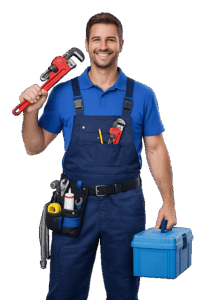
Our Plumbing & Gas Courses
Level: Beginner
Plumbing
Course
Training Qualifications
- City & Guilds Level 2 Diploma (6035) in Plumbing Studies
- City & Guilds NVQ Level 2 Diploma in Plumbing and Heating
- City & Guilds Part P Level 3 Electrical Certificate
Level: Experienced
Gas
Course
Training Qualifications
- Level 3 Gas Engineer Diploma
- ACS Core Gas Safety
- ACS Central Heating Boilers and Water Heaters
- ACS Cookers and Hobs
- ACS Space Heaters Fires
- ACS Flue Gas Analysers
- Part P Electrical

Our UK Students Happy & Professional
“I was working full time when I enrolled, so flexibility was really important to me. The plumbing course fitted around my schedule perfectly, and the hands-on training helped me build my NVQ portfolio much faster than I expected. I’m now progressing towards my Level 3 qualification and feel confident working on real plumbing jobs.”
Ayden Barn, London
“I started the plumbing course with no previous experience and wasn’t sure what to expect. The trainers were incredibly supportive, and the practical training made a huge difference. Gaining a recognised NVQ qualification has completely changed my career prospects, and I was able to start working much sooner than I thought.”
Emma James, Brighton
“What stood out for me was how practical the plumbing training was. It wasn’t just classroom learning — I gained real site experience that counted towards my NVQ. The payment plan made it affordable while supporting my family, and I’d recommend this course to anyone serious about becoming a plumber in the UK.”
Russell Hobs, Reading
FAQ - we’re here to all your questions
General Questions asked by students.
If you have any other Questions Feel free to Contact Us.
Do I need qualifications to become a plumber in the UK?
Not necessarily to start, but having recognised qualifications greatly improves your job prospects and credibility in the industry.
No licence is required for general plumbing.
However:
- You must be registered with the Gas Safe Register if working with gas appliances
- Certifications increase credibility and job opportunities
Can I become a plumber without an apprenticeship?
Yes, many people choose fast-track courses as an alternative route, especially when switching careers.
How much do beginner plumbers earn?
Entry-level salaries typically range from £24,000 to £28,000 per year, depending on location and experience.
Is plumbing a good career in 2026?
Yes, with high demand, strong earning potential, and job security, plumbing remains an excellent career choice.
What is the fastest way to become a plumber?
Enrolling in a professional fast-track plumbing course is the quickest way to gain the skills and start working.
Our Partners

© 2026 TradeSkills4Life | How to Become a Plumber in the UK Guide 2026
SEO Article & Web Services provided by VStudios – Local SEO Specialists for UK, London